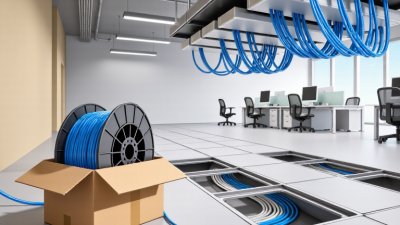
What Is Cat 6 UTP Cable and What Is It Used For?
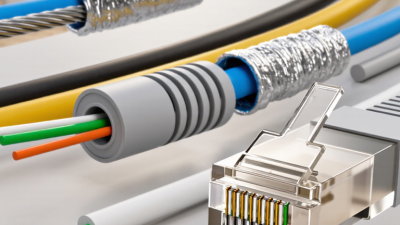
A network cable may look simple, but its construction affects how reliably data moves through a home or workplace. Cat 6 UTP cable is Category 6 unshielded twisted-pair cabling, made with four pairs of insulated copper wires. The pairs are twisted to help reduce interference between wires. “Unshielded” means there is no additional foil or braided screen around them. The category supports signal frequencies up to 250 MHz and is commonly used with Ethernet equipment and RJ45-style connectors.
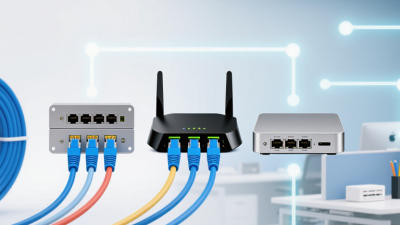
In everyday networks, Cat 6 can support Gigabit Ethernet over channels up to 100 meters when installed correctly. It can also carry 10-Gigabit Ethernet over shorter distances, commonly up to about 55 meters, depending on cable quality and installation conditions. That difference matters. A cable’s label alone does not guarantee a particular connection speed; devices, connectors, distance, and nearby electrical noise all play a part. Cat 6 UTP cable is often installed in offices, homes, classrooms, and small server rooms to connect routers, switches, computers, access points, and other network devices. It can also support Power over Ethernet, provided the equipment and installation are suitable. In practice, neat routing and sound terminations matter more than a tidy label suggests. Even experienced installers can overlook small details, so testing the finished link is worthwhile. A cable is not magic. It is one part of a network, and its real performance depends on the whole connection.
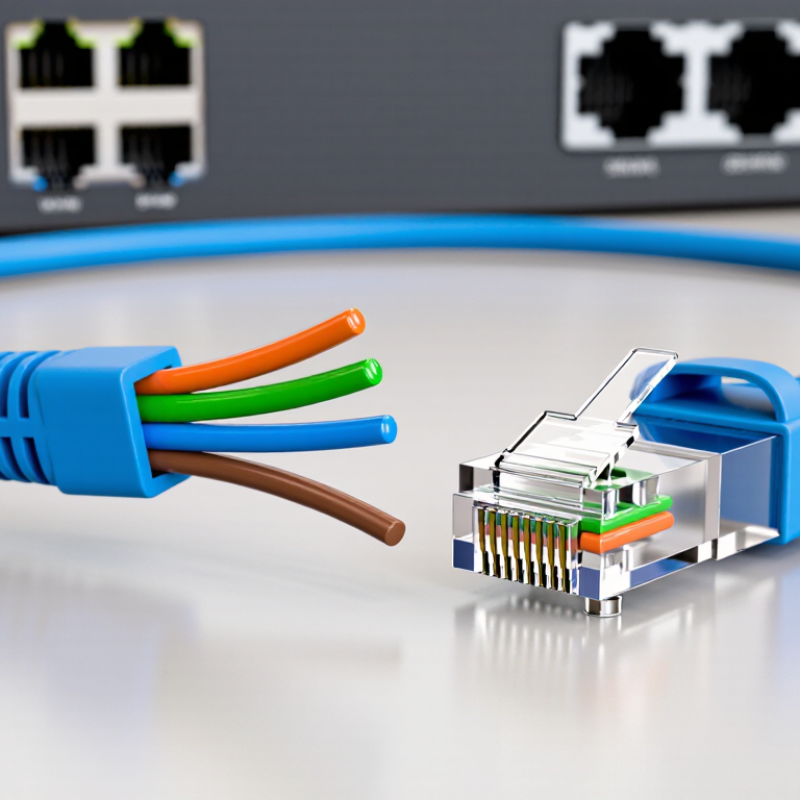
Cat 6 UTP Defined: Four Twisted Pairs Rated to 250 MHz
Cat 6 UTP cable contains four twisted pairs of copper conductors, with each pair carrying signals in a carefully balanced way. UTP means unshielded twisted pair: there is no overall metallic foil or braid around the cable. The twists help reduce interference between pairs and from nearby electrical noise. Four pairs. That construction supports a rated bandwidth of 250 MHz, a measure of the signal frequencies the cable is designed to handle.
The rating describes frequency capacity, not a guaranteed internet speed. In a properly installed channel, Cat 6 commonly supports Gigabit Ethernet over distances up to 100 meters. It can also carry 10-Gigabit Ethernet over shorter runs, often up to 55 meters, depending on installation conditions and interference. The cable is used for home and office networks, connecting computers, access points, switches, and other wired devices.
A cable’s printed category is only part of its performance. Tight bends, crushed sections, untwisted wire near a connector, or poor termination can weaken a link. Even a small detail matters. Keep bends gentle and preserve each pair’s twist close to the termination. In practice, installations are not always perfect, so testing the completed run can reveal problems that a label cannot.
What Is Cat 6 UTP Cable and What Is It Used For? — Cat 6 UTP Defined: Four Twisted Pairs Rated to 250 MHz
| Dimension |
Cat 6 UTP Details |
Practical Meaning |
| Cable type |
Category 6, unshielded twisted-pair (UTP) |
Four balanced wire pairs are twisted together; UTP has no overall metallic shield. |
| Wire pairs and conductors |
4 pairs; 8 insulated conductors |
The twists help reduce interference and crosstalk between pairs. |
| Rated frequency |
Up to 250 MHz |
This is the cable category’s specified frequency range, not a data rate. |
| Typical Ethernet reach |
Up to 100 m for a standard Ethernet channel |
A typical channel allows up to 90 m of permanent cabling plus a combined 10 m for patch cords. |
| Common network speeds |
1 Gb/s Ethernet to 100 m; 10 Gb/s Ethernet may operate up to about 55 m |
10 Gb/s reach depends on installation conditions and crosstalk performance; it is not guaranteed across the full 100 m. |
| Common connector |
8P8C modular connector, commonly called RJ45 |
Used for typical Ethernet connections to switches, routers, computers, and access points. |
| Typical uses |
Structured cabling, office and home networks, and device connections |
Suitable for data networking and other compatible low-voltage applications, subject to the relevant installation requirements. |
How Unshielded Pair Twisting Helps Control Crosstalk
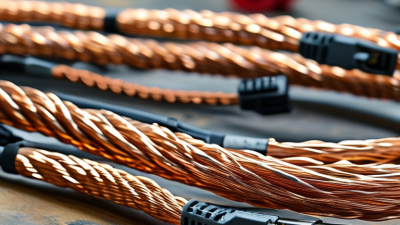
Cat 6 UTP cable contains four twisted copper pairs, with no foil or braided shield around them. The twisting is not decorative. It helps reduce crosstalk, which occurs when a signal in one pair interferes with a signal in another. Different twist rates among the pairs make it harder for interference to build consistently along the cable.
Each pair carries signals in a balanced way, helping the receiver distinguish the intended data from unwanted electrical noise. That matters. In a busy office, several cables may run together through a ceiling or wiring cabinet. Good pair geometry helps keep nearby signals from becoming confusing, though it cannot remove every source of interference.
Installation still matters. If too much of a pair is untwisted at a connector, the exposed section can become more vulnerable to crosstalk. Keep the twists close to the termination. A small detail, but an easy one to overlook. Cat 6 performance also depends on cable quality, connector fit, and careful routing. UTP has no outer shield to provide extra protection, so its design and installation do more of the work. It is tempting to treat the cable as interference-proof; it is not.
Cat 6 Data Rates: 1 Gb/s to 100 m; 10 Gb/s to About 55 m
Cat 6 UTP cable uses four pairs of twisted copper wires, without added shielding, to carry Ethernet signals. Its rated bandwidth is 250 MHz. For everyday 1 Gb/s networking, a compliant channel can reach 100 meters, including the fixed cable and connected patch cords. That suits a home office, classroom, or small business where a switch may sit far from a desk. The familiar 100-meter limit is useful, but poor terminations or damaged cable can still cause trouble.
At 10 Gb/s, Cat 6 can often support runs of about 55 meters. This is not a guaranteed distance for every installation. Cable bundles, nearby electrical noise, connector quality, and installation practices can affect performance. Distance matters. A short, carefully installed run may work well, while a longer or tightly bundled run may struggle. For example, a 10-gigabit link between a server closet and a nearby workstation is a more realistic Cat 6 use than a long building-wide run. Test the installed channel rather than relying on the cable label alone. If 10 Gb/s must reach 100 meters, Cat 6A is generally the more suitable choice. I would not treat 55 meters as a hard cutoff, either; actual results can vary.
Where Cat 6 UTP Is Used: Ethernet LANs, PoE, and Building Networks
Cat 6 UTP cable is commonly used to connect computers, wireless access points, printers, and switches across Ethernet LANs. Its four twisted pairs help reduce interference between signals, without the added shielding found in some cable types. For many office and home networks, it supports gigabit Ethernet over a channel up to 100 metres when properly installed.
It also appears in Power over Ethernet installations. A single cable can carry data and power to devices such as ceiling-mounted access points, phones, and security cameras. That keeps desks and ceilings less cluttered. The cable, connectors, and installation should all be suitable for the intended PoE load; a poorly terminated connection can cause faults or excess heat.
In building networks, Cat 6 UTP often runs through walls, trays, and patch panels to link rooms with a central network cabinet. Keep it separated from power wiring where practical, and avoid tight bends or crushed sections. These details matter. Cat 6 can support 10-gigabit links over shorter distances, but results depend on cable quality, installation, and connected equipment. A tidy plan on paper does not always survive a crowded ceiling space, so checking the route before installation is worthwhile.
Where Cat 6 UTP Is Used: Typical Cable Reach
Cat 6 UTP supports Ethernet LANs, PoE connections, and structured building networks. The chart compares common maximum cable distances.
A standard Ethernet channel can extend up to 100 m, typically comprising a 90 m permanent link and up to 10 m of patch cords. 10GBASE-T over Cat 6 is generally limited to 55 m; actual performance depends on installation conditions and crosstalk. PoE uses the same channel-length limits, while power delivery also depends on cable and installation conditions.
Cat 6 Link Limits: 90 m Permanent Link and 100 m Channel
Cat 6 UTP cable uses four pairs of twisted copper wires without an overall shield. It carries data between network outlets, switches, routers, and other equipment. The key distance figures describe two different parts of a cabling system: the permanent link and the complete channel.
A permanent link can be up to 90 metres. This is the fixed cable running from a patch panel to a wall outlet, including connection points but not equipment patch cords.
The full channel can reach 100 metres. That total includes the permanent link plus cords at both ends, such as a short cord in the equipment rack and another from the outlet to a computer.
Keep track of every section. Small allowances disappear quickly.
For example, a 90-metre in-wall run leaves about 10 metres for patch cords combined, subject to cable and installation requirements. A longer or lower-quality patch cord can affect performance, even when the measured total appears acceptable.
Don’t assume extra slack is harmless. Neatly coiled cable may still complicate troubleshooting, and sharp bends can damage twisted pairs. Test the installed link with suitable certification equipment, and record its measured length.
One detail is easy to miss: permanent-link test results do not include the patch cords used to complete the channel.